Italiano:
Due case avevano per confine un ruscello
di qua viveva una pazza, di là un bambino
e si parlavano da una riva all’altra.
Quello è un racconto, leggilo, di amore puro
se qualcosa di puro c’è nell’amore.
Parlavano di piante e di furetti.
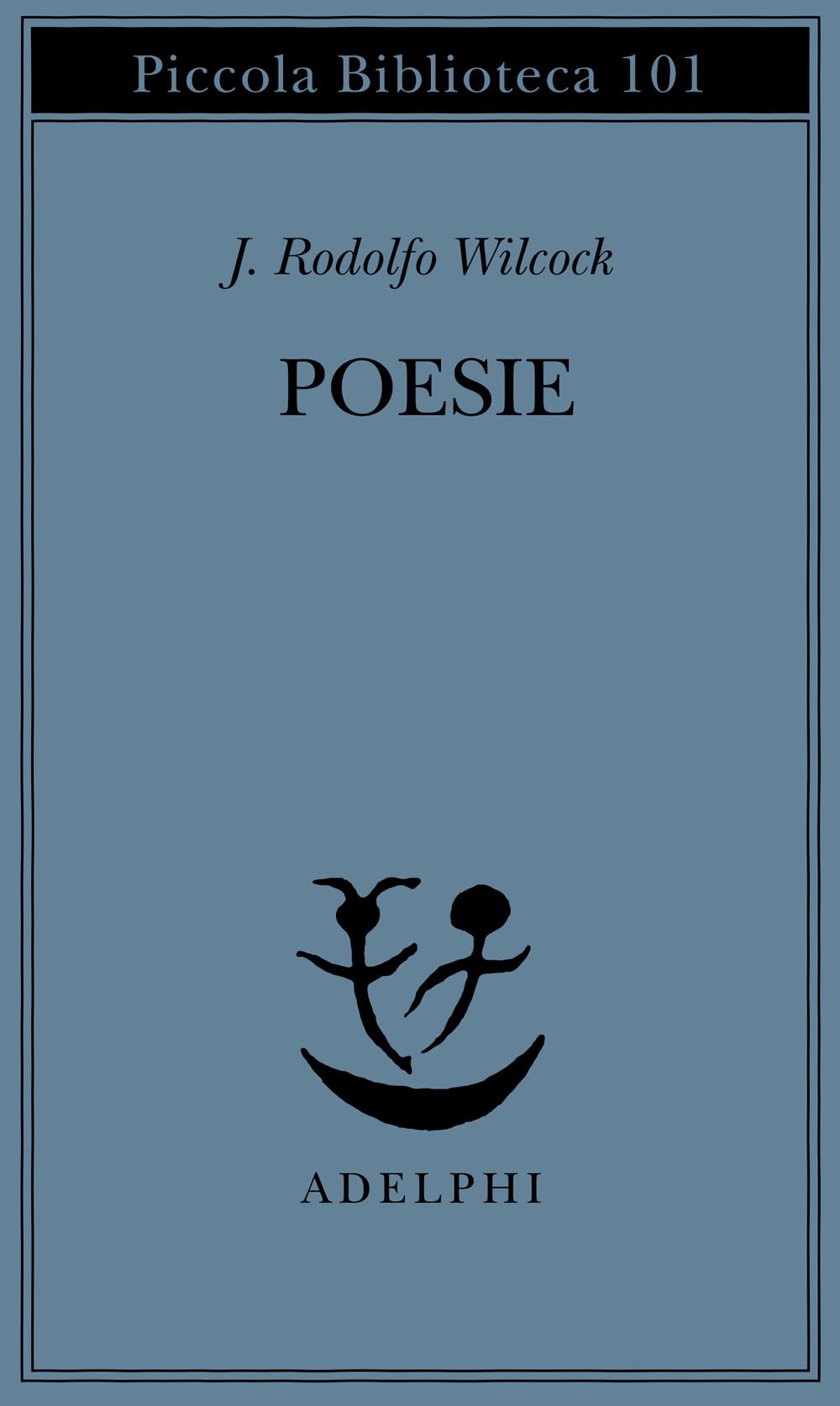
*Juan Rodolfo Wilcock, 1919-1978, fu un poeta e scrittore argentino di origini italiane. Nel 1957 si trasferì in Italia e passò il resto della sua vita tra Roma e la Tuscia, dove frequentò per diversi anni l’ambiente culturale romano (recitò perfino nel Vangelo secondo Matteo di Pier Paolo Pasolini, nel ruolo di Caifa) e collaborò con diverse riviste culturali e quotidiani. Scrisse poesie in italiano, oltre che nella sua lingua madre, e gli venne concessa la cittadinanza post mortem. E’ sepolto nel cimitero acattolico di Roma, a Testaccio.
English:
Two houses had a stream as their border
on this side lived a mad woman, on that side a child
and they spoke from one bank to the other.
That’s a story, read it, of pure love
if there is something pure in love.
They talked about plants and ferrets.
*Juan Rodolfo Wilcock, 1919-1978, was an Argentine poet and writer of Italian origins. In 1957, he moved to Italy and spent the rest of his life between Rome and the Tuscia region, where he frequented Roman cultural circles for several years (he even acted as Caiaphas in Pier Paolo Pasolini’s The Gospel According to Matthew) and contributed to various cultural magazines and newspapers. He wrote poetry in Italian, as well as in his native tongue, and was granted citizenship posthumously. He is buried in Rome’s non-Catholic cemetery in Testaccio.
 marginalia