Italiano:
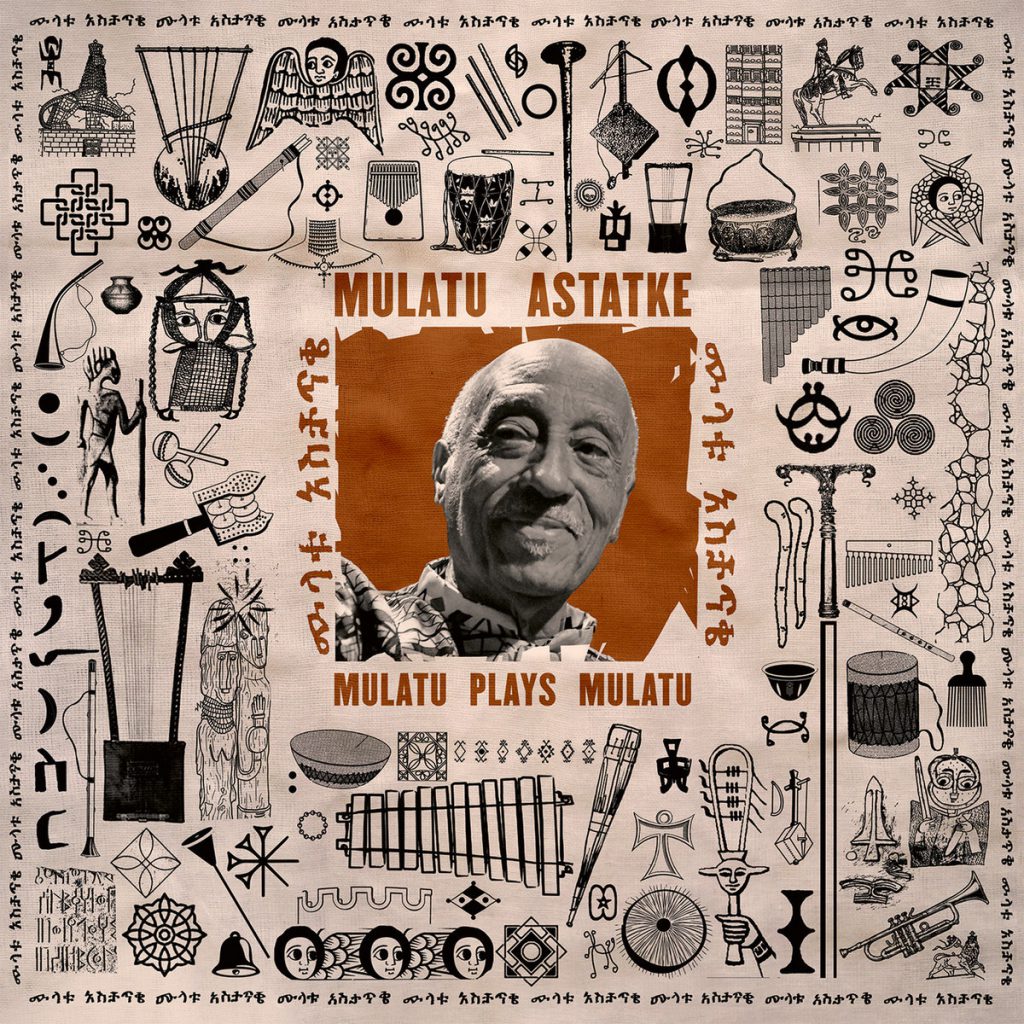
Mulatu Astatke, nato a Jimma (Etiopia) nel 1943, compositore e musicista, è considerato il padre del Jazz etiope. Ha vissuto per diversi anni a Londra, New York e Boston, dove ha introdotto nell’ambiente jazz elementi provenienti dalla musica tradizionale del suo paese d’origine dando vita a un nuovo genere, oggi noto come ethio-jazz.
Anche se Mulatu Astatke fu il primo jazzista etiope di fama internazionale, la storia del Jazz in Etiopia lo precede: dopo la sconfitta degli italiani nel 1896 l’imperatore Menelik II iniziò a guadagnare prestigio internazionale e rapporti con personaggi di spicco come Nicola II, zar di Russia. Fu lo zar a donare a Menelik II, durante una visita diplomatica, alcuni ottoni europei che l’imperatore integrò nel panorama musicale etiope, aprendo così il paese alla musica straniera. Durante la Seconda Guerra mondiale le radio etiopi trasmettevano regolarmente jazz, influenzando e riflettendo il panorama e i gusti delle persone tra cui i futuri musicisti, come Mulatu Astatke.
Nel 1969, dopo gli studi a Londra e le esperienze musicali negli Stati Uniti, Mulatu Astatke si ristabilì in Etiopia: nel 1972 pubblicò il primo dei suoi album più importanti, Mulatu of Ethiopia, e l’anno successivo suonò con Duke Ellington ad Addis Abeba alla presenza dell’imperatore Selassié.
Il colpo di stato del 1974 e la morte dell’imperatore cambiarono, tuttavia, radicalmente il panorama musicale e culturale etiope: la censura imposta dal regime costrinse diversi artisti a emigrare o a sospendere la propria attività. Mulatu concentrò la propria attività sull’insegnamento e sospese l’ethio-jazz per l’intera durata del regime, fino al 1994.
La fine della censura e il ritorno della democrazia con il crollo del regime inaugurarono una nuova fase: il paese, di nuovo aperto al mondo, ricominciò a ricevere visite internazionali e l’ethio-jazz guadagnò una nuova, inedita popolarità all’estero, dove iniziò a diffondersi e ad essere studiato. Mulatu Astatke pubblicò altri album e la sua musica costituì gran parte della colonna sonora di Broken Flowers (2005), film di Jim Jarmusch con Bill Murray come protagonista.
Oggi Mulatu Astatke continua, a 81 anni, a suonare in tutto il mondo.
English:
Mulatu Astatke, composer and musican born in Jimma, Ethiopia, in 1943, is considered the father of Ethiopian jazz. He spent several years in London, New York, and Boston, where he introduced elements of his homeland’s traditional music to the jazz scene, giving rise to a new genre now known as Ethio-jazz.
Although Mulatu Astatke was the first internationally renowned Ethiopian jazz musician, the history of jazz in Ethiopia predates him: after the defeat of the Italians in 1896, Emperor Menelik II began to gain international prestige and establish relationships with prominent figures such as Tsar Nicholas II of Russia. It was the Tsar who, during a diplomatic visit, presented Menelik II with some European brass instruments, which the emperor integrated into the Ethiopian musical landscape, thus opening the country to foreign music. During World War II, Ethiopian radio stations regularly broadcast jazz, influencing and reflecting the landscape and tastes of the people, including future musicians such as Mulatu Astatke.
In 1969, after completing his studies in London and the musical experiences in the United States, Mulatu Astatke returned to Ethiopia. In 1972, he released the first of his major albums, Mulatu of Ethiopia, and the following year he performed with Duke Ellington in Addis Ababa in the presence of Emperor Selassie.
The 1974 the coup d’état and the death of the emperor, however, radically changed the Ethiopian musical and cultural landscape: the censorship imposed by the regime forced many artists to emigrate or suspend their activities. Mulatu focused on teaching and suspended Ethio-jazz for the entire duration of the regime, until 1994.
The end of censorship and the return of democracy with the collapse of the regime ushered in a new era: the country, once again open to the world, began to receive international visitors, and Ethio-jazz gained new, unprecedented popularity abroad, where it began to spread and be studied. Mulatu Astatke released further albums, and his music formed a large part of the soundtrack for Broken Flowers (2005), a film by Jim Jarmusch starring Bill Murray.
Today, Mulatu Astatke continues, at 81, to perform around the world.
 marginalia